 Nepali
 English


Maitri means loving-kindness — a fitting name for Lumbini's gentlest ride. This short loop stays close to Gate 5, threading through temples, ponds, and open farmland before returning by way of a village known for its handicrafts. It's an easy first taste of village life beyond the sacred grounds — ideal for families, first-time riders, or anyone short on time but curious to see more.
Important places you will pass on Maitri Route.
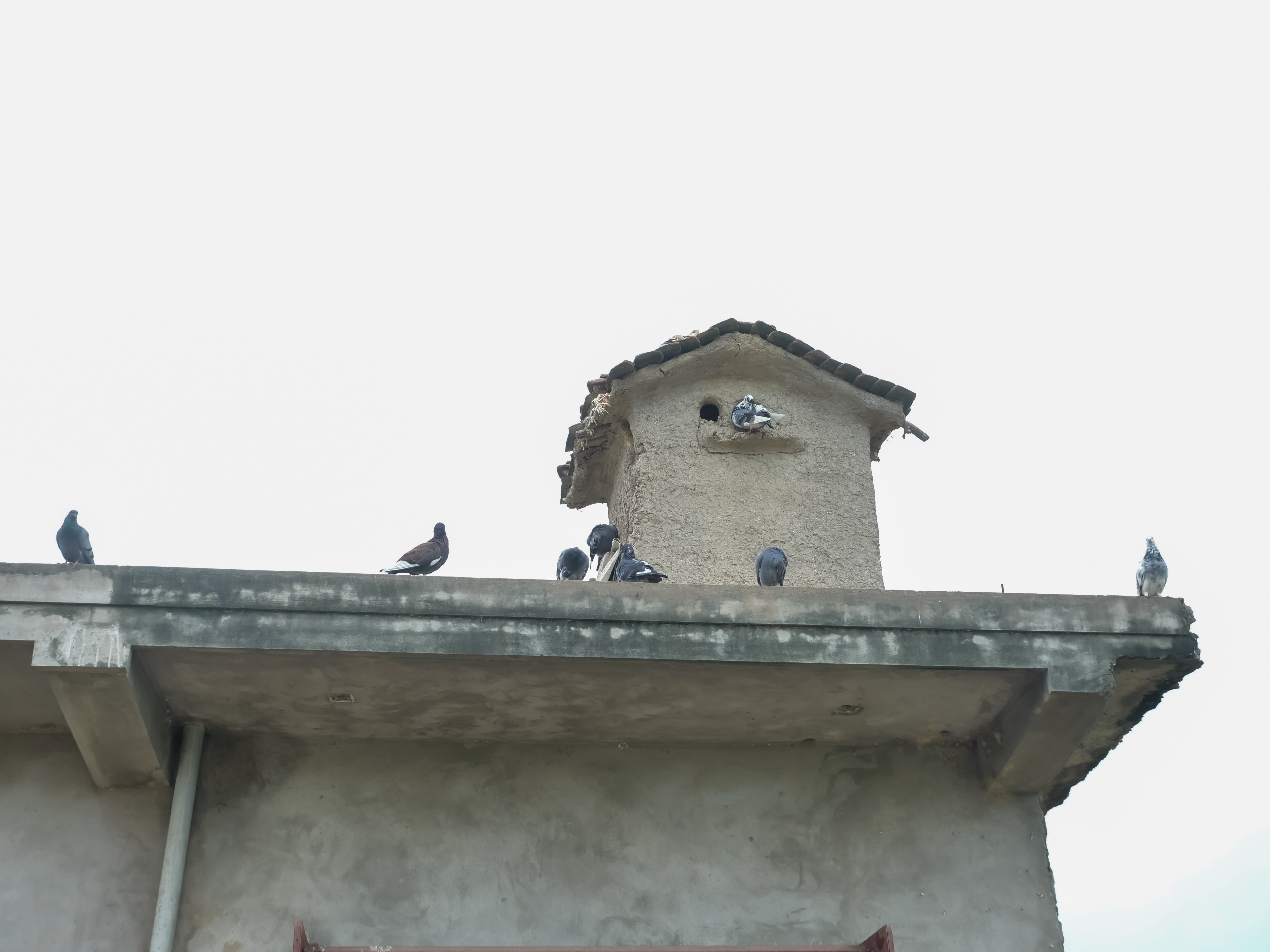
Mahilwari has more than 150 households, home to Brahmin, Baniya, Lodh, Yadav, Kumhar, and Dhobi communities. Farming is part of daily life, and local youth are turning this tradition into agro-tourism. The village also grows Kalanamak rice, a variety dating back to the Buddha's time. As you ride through, look for small structures on rooftops or courtyards. These are pigeon houses, built for generations. The Kali Mata Temple is a good stop, especially during festivals.
Tharuniya Tal is a quiet pond where white water lilies bloom each morning and close at night. Locals harvest the lily seeds, dry them, and grind them into flour used in local dishes. The pond is also called Tharui Naya, since Tharu farmers once dug soil here for building. It is home to egrets, pond herons, and saras cranes, with migratory birds visiting in season. The trail continues past Semrahana Village and Sarkihawa Pond.
Laxmipur is home to more than 75 families and is one of the liveliest stops on the route. This is also where riders choose how far to continue. You may spot fox bats roosting and saras cranes nesting in the farms, along with birds like the lesser adjutant and little cormorant in old trees. At the village centre stands a traditional house in an older building style. A short ride further brings you to a banana farm. Here, Maitri Route turns back, while Pragya Route and Karuna Route continue ahead.
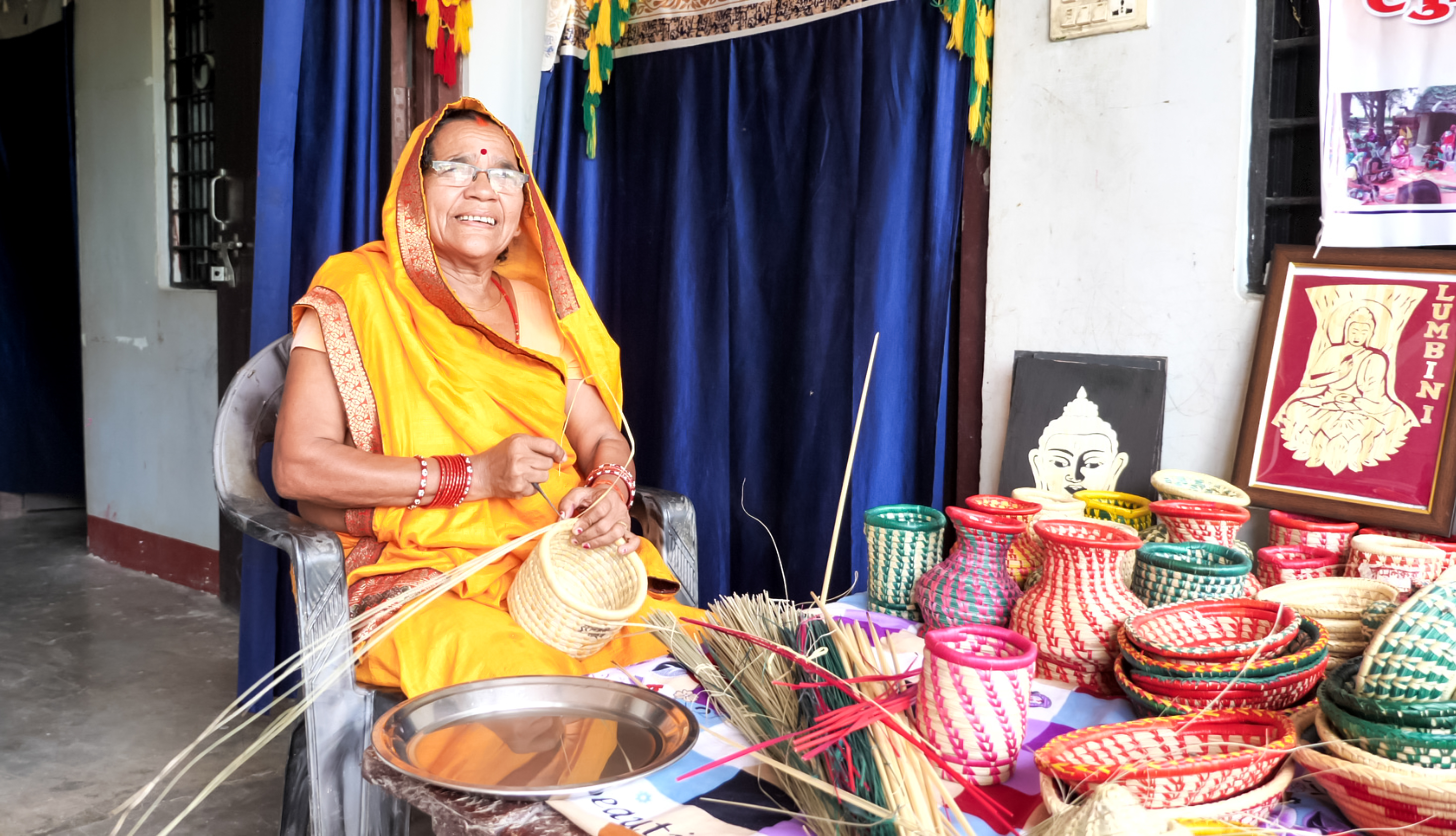
Sano-Mahilwar is home to Tharu, Lodh, Harijan, Muslim, and other communities, with a Kali Mata Temple and a mosque. The village is best known for its women-run handicraft centre, where local women weave wheat straw and kans grass into dhakiya, traditional coiled baskets used for generations to carry harvests, store grain, and mark life events like birth and marriage. Each dhakiya is handmade, often dyed and patterned. The centre also makes other handwoven goods, simple souvenirs that support the women who make them.

